China Best Biotech Marketing Strategies for Global Success?
China's biotech industry is rapidly evolving, creating significant opportunities for marketing strategies. Companies are looking for effective biotech marketing tactics to expand their global reach. The competitive landscape is becoming more complex and requires innovative thinking.
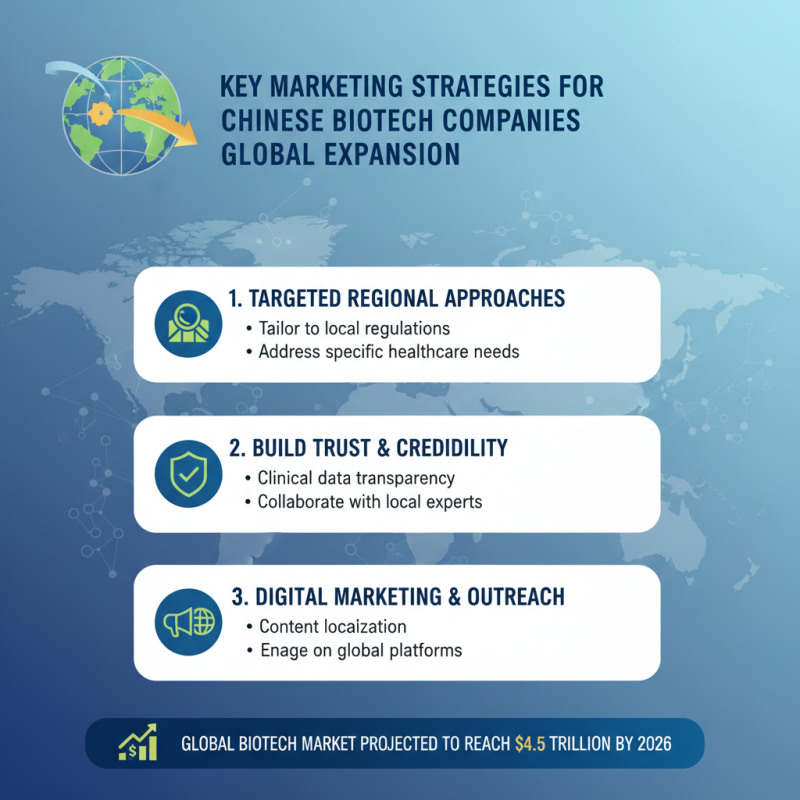
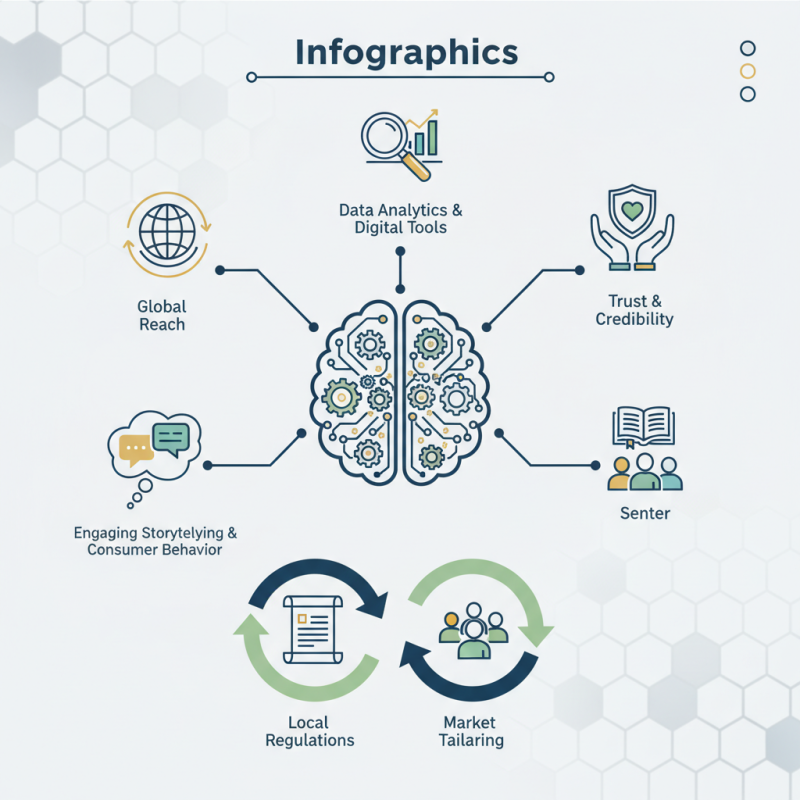
Navigating the biotech marketing landscape in China demands more than traditional methods. Businesses must understand local regulations and consumer behavior. Tailoring marketing strategies to specific markets is essential, as each region presents unique challenges. Moreover, brands must build trust and credibility to resonate with health care professionals and patients alike.
A strong focus on digital tools and data analytics is crucial. Many companies overlook this, leading to missed opportunities. Engaging storytelling can make biotech products more relatable. As the market matures, companies must continually refine their approaches. Effective biotech marketing needs to stay responsive to market changes and consumer feedback.
China's Biotech Industry Overview and Global Market Potential
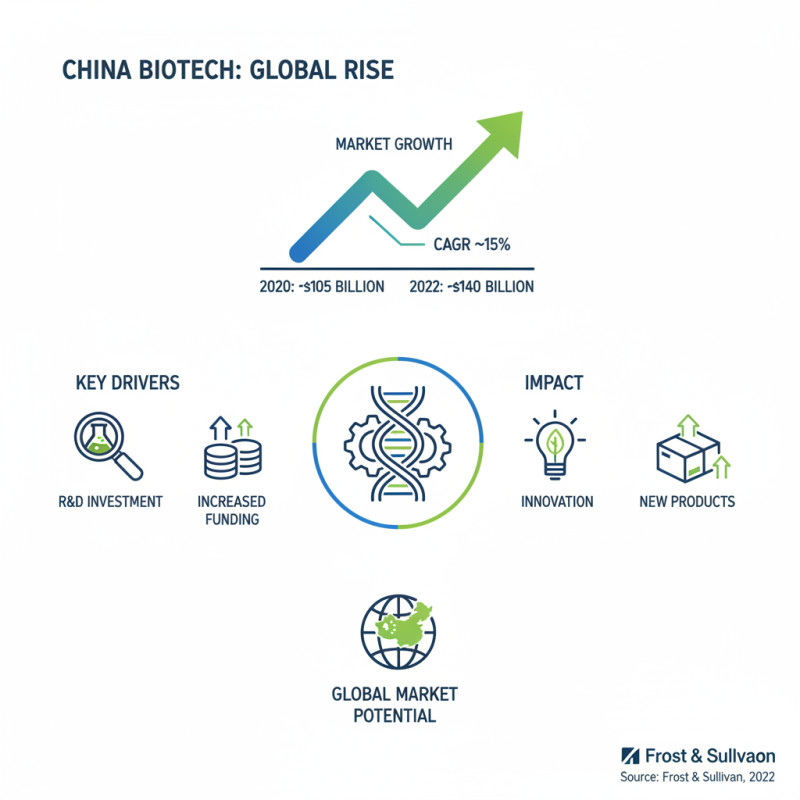
China's biotech industry is experiencing rapid growth. In 2022, the market reached approximately $140 billion, according to Frost & Sullivan. This indicates a compound annual growth rate of around 15% from 2020. The market's expansion reflects China's investment in research and development. Increased funding has led to innovation and a surge in new products.
The global market potential for Chinese biotech is significant. Reports suggest that China's share of the global biotech market could reach 20% by 2025. The increasing demand for biopharmaceuticals, diagnostics, and agricultural products drives this potential. Development of key technologies plays a major role. However, challenges persist. Regulatory hurdles can slow down approval processes. Compliance with international standards is sometimes lacking, which affects global partnerships.
Moreover, talent retention poses a challenge. While many skilled professionals emerge, brain drain occurs. Many scientists seek opportunities abroad, impacting the innovation landscape. Addressing these issues is vital for sustainable growth. The industry must balance rapid expansion with quality control and regulatory compliance. Enhanced collaboration with global partners can help. This strategy might solidify China's position in the global biotech arena.
Understanding International Regulations and Compliance for Biotech Products
Navigating international regulations is crucial for biotech companies seeking global success. Each country has unique guidelines governing product development, safety, and marketing. Compliance with these regulations is not merely a formality; it can significantly impact market entry and consumer trust. For example, clinical trial requirements vary widely, often affecting timelines and costs.
Understanding specific regulations is essential. In Europe, the European Medicines Agency requires rigorous data submissions for marketing authorization. Meanwhile, some regions might prioritize ethical considerations more heavily. Failure to comply can lead to delays or outright rejection. Companies must engage local experts to interpret these rules effectively.
Moreover, the dynamic nature of regulations poses challenges. As the biotech landscape evolves, authorities continuously update their compliance requirements. Staying informed about these changes requires ongoing education and a solid network. Companies often underestimate the resources necessary for this task. A proactive approach can ensure sustained growth in the competitive global market.
Leveraging Digital Marketing and Social Media in Biotech Promotion
In today's fast-paced biotech industry, digital marketing and social media are vital tools for promotion. Many organizations have embraced these platforms to reach global audiences. They can quickly share research updates and insights. Engaging content can attract attention. However, the challenge lies in crafting messages that resonate with diverse stakeholders.
Biotech firms must prioritize authenticity in their digital communications. Building trust is essential. This often requires a deep understanding of the audience's needs. Regular interaction can enhance credibility. Yet, some companies struggle to maintain consistent engagement. It’s important to analyze audience feedback and adjust strategies accordingly.
Data-driven marketing is another powerful approach. Utilizing analytics helps organizations understand what works and what doesn’t. Tailored content can improve interaction rates. However, the risk of over-reliance on data can lead to a lack of creativity. Balancing metrics with innovative ideas is crucial for success in a competitive landscape.
Building Strategic Partnerships for Global Expansion in Biotech Sector
Building strategic partnerships is crucial for biotech companies aiming for global expansion. Collaborative ventures can enhance innovation and bring diverse expertise. Engaging with local firms in target markets can provide invaluable insights. This helps navigate complex regulations and cultural nuances. Strategic alliances can also accelerate time to market for new products.
Moreover, partnerships can lead to shared resources, reducing costs and risks. Joint research initiatives can foster groundbreaking discoveries. However, companies must choose partners carefully. Mismatched goals or poor communication can derail projects. Continuous evaluation of partnership outcomes is essential. Companies must learn when to pivot or end collaborations.
Successful partnerships often require building trust over time. Regular interactions and transparent communication help cultivate a solid foundation. Establishing clear shared objectives is key to success. Biotech firms should not overlook the importance of cultural compatibility in partnerships. Each partnership presents opportunities for growth but also challenges that need addressing. The journey is indeed complex, demanding ongoing reflection and adaptability.
Biotech Marketing Strategies: Global Success Overview