Why is DNA Synthesis Important for Biotechnology and Medicine?
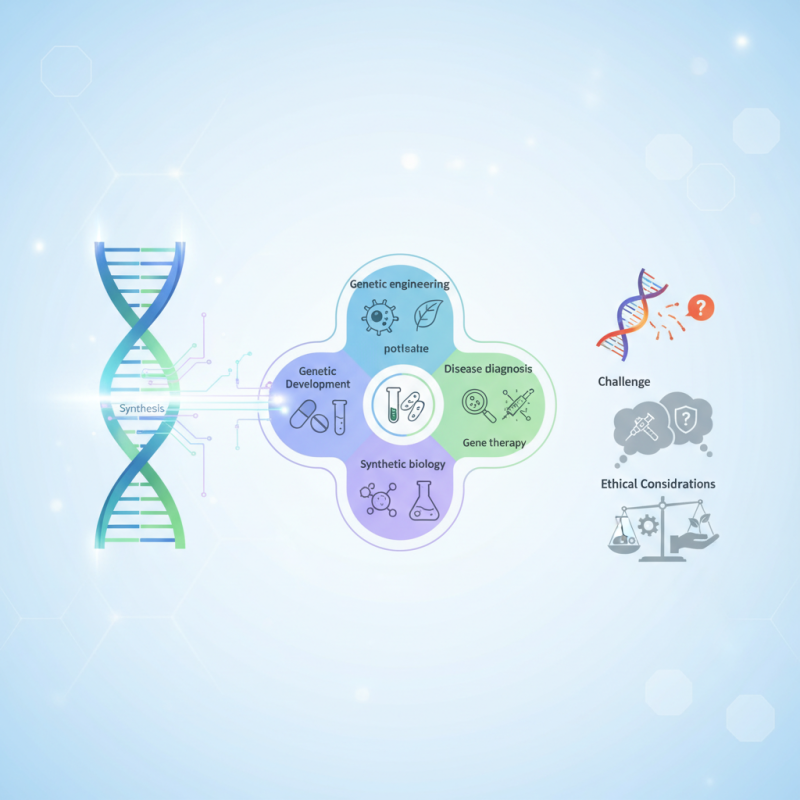
DNA synthesis plays a critical role in modern biotechnology and medicine. This process allows scientists to create specific DNA sequences. These sequences are essential for various applications, including genetic engineering and synthetic biology.
Advancements in DNA synthesis have transformed research methods. Researchers can now produce large quantities of DNA with precision. This ability leads to breakthroughs in drug development, disease diagnosis, and gene therapy. However, there are challenges to address. Not all synthesized DNA behaves as expected in biological systems.
Despite its promise, DNA synthesis raises ethical questions. Issues like genetic modification complicate public perception. The potential for misuse exists, prompting critical conversations. As we advance, we must balance innovation with responsibility. Understanding DNA synthesis is key to harnessing its full potential.
The Role of DNA Synthesis in Biotechnology Advancements
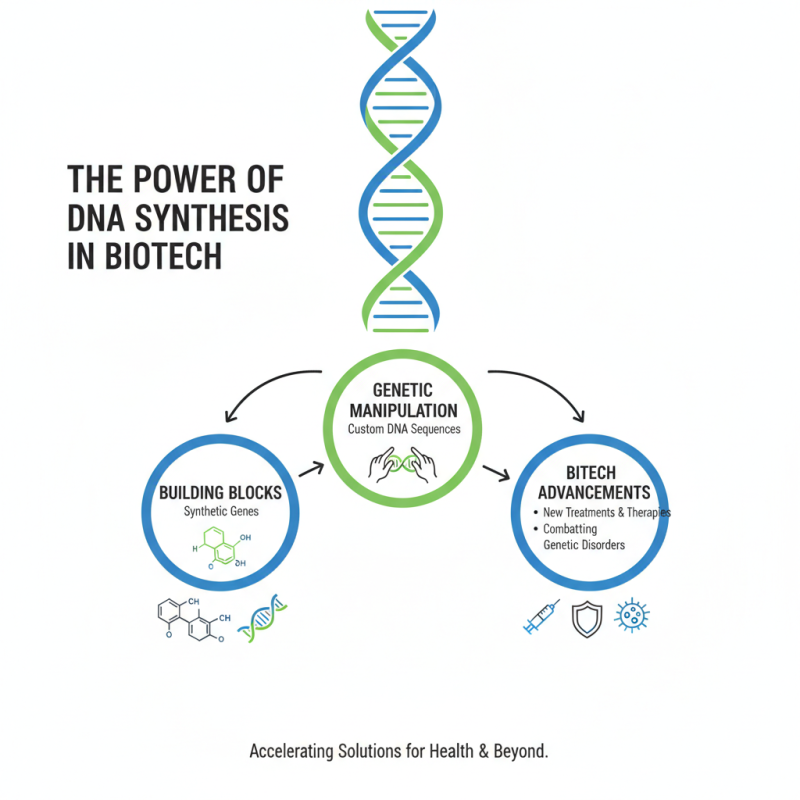
DNA synthesis plays a crucial role in biotechnology advancements. Scientists can create synthetic genes and manipulate genetic information. This capability allows for the development of new treatments and therapies. For example, custom DNA sequences can be designed to combat diseases. Researchers are now able to address genetic disorders more effectively.
Advanced DNA synthesis techniques enable the production of vaccines and biologics. These innovations help speed up vaccine development. During health crises, rapid responses are vital. Synthetic biology also opens doors to improving agricultural practices. Genetically modified organisms can enhance crop yield. However, ethical considerations must be carefully evaluated. Balancing productivity with safety is a challenge.
Despite these advancements, not all outcomes are guaranteed. Mistakes in synthetic DNA can lead to unintended consequences. Understanding and controlling these risks is essential. As the field grows, so does the need for regulation. Scientists and policymakers must work together. This collaboration will help ensure safety in biotechnology applications.
Key Applications of DNA Synthesis in Medical Research
DNA synthesis plays a pivotal role in medical research. It enables the creation of custom genes for studying disease mechanisms. Through this, scientists can understand how certain genes contribute to health and illness. For example, researchers can synthesize sequences that mimic mutations found in cancer. This helps in developing targeted therapies.
In another aspect, DNA synthesis assists in vaccine development. Customized DNA can be used to create mRNA vaccines. These vaccines instruct cells to produce harmless pieces of a virus. This process triggers an immune response without causing disease. However, the speed of development sometimes raises questions about long-term effects. Testing is essential but can be time-consuming.
Moreover, DNA synthesis is crucial in gene editing technologies, like CRISPR. It allows for precise modifications in the genome. Scientists can potentially correct genetic disorders. Yet, ethical concerns arise with such power. Misuse could lead to unintended consequences. Balancing innovation and caution is vital.
Impact of DNA Synthesis on Genetic Engineering and Therapy
DNA synthesis plays a critical role in genetic engineering and therapeutic applications. It enables researchers to create precise genetic constructs for various purposes. For instance, companies have reported a steady increase in the demand for custom DNA sequences. The global DNA synthesis market size is projected to reach $8.3 billion by 2025, highlighting its significance in biotechnology.
In genetic engineering, synthesized DNA serves as a foundation for developing new treatments. Gene therapies often rely on accurately synthesized DNA to correct genetic disorders. According to research, around 20% of ongoing clinical trials in the U.S. involve gene therapy. This underlines the urgency for reliable synthesis methods. However, challenges in accuracy and delivery mechanisms remain. These issues could hinder the effectiveness of new therapies.
Moreover, DNA synthesis impacts the development of synthetic biology. Synthetic organisms can perform tasks, such as producing biofuels or pharmaceuticals, that traditional methods cannot. Yet, there are ethical concerns regarding synthetic life forms. The risks associated with unforeseen consequences need careful consideration. As the field grows, continuous reflection on the implications of DNA synthesis is essential. It is crucial to balance innovation with responsibility in this rapidly evolving landscape.
Ethical Considerations in DNA Synthesis for Medicine
DNA synthesis plays a crucial role in biotechnology and medicine. However, it raises important ethical considerations. As researchers manipulate genetic material, they tread a fine line. The potential benefits are vast, yet the risks are real.
One critical aspect is the fear of unknown consequences. Genetic modification can lead to unintended effects. These effects might alter ecosystems or human health in unpredictable ways. It’s vital to consider the long-term implications of these changes.
Tips: Always stay informed about current research. Engage in discussions about ethical standards. Encourage transparency in scientific practices.
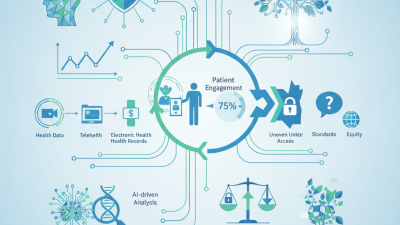
Another concern is accessibility. Who benefits from these advancements? Only certain groups may have access to cutting-edge treatments. This exacerbates existing inequalities in healthcare. Equity in genetic advancements must be a priority.
Tips: Advocate for inclusive policies. Support organizations that seek to bridge the gap in healthcare access. Collaboration is essential for progress.
Why is DNA Synthesis Important for Biotechnology and Medicine? - Ethical Considerations in DNA Synthesis for Medicine
| Dimension |
Description |
Importance in Biotechnology |
Ethical Considerations |
| Gene Therapy |
A technique that alters genes to treat or prevent diseases. |
Potential to cure genetic disorders. |
Concerns about long-term effects and consent. |
| Synthetic Biology |
Creation of new biological parts and systems. |
Innovations in drug development and agriculture. |
Potential for unintended consequences in ecosystems. |
| Personalized Medicine |
Tailoring medical treatment to the individual characteristics of each patient. |
Higher efficacy and lower adverse effects. |
Issues of privacy and data protection. |
| CRISPR Technology |
A tool for editing genomes with precision. |
Revolutionizes research and therapeutic approaches. |
Debates on gene editing ethics and designer babies. |
| Vaccines Development |
Creating immunizations using DNA technology to prevent diseases. |
Rapid response to emerging health threats. |
Vaccine hesitancy and misinformation issues. |
Future Trends in DNA Synthesis Technology and Its Implications
The future of DNA synthesis technology is both promising and complex. Current advancements are driving the cost of DNA synthesis down significantly. Reports indicate a decrease by 50% in the past five years alone. This trend may open doors for more researchers. Increased access could lead to innovative therapies in medicine.
However, challenges remain. The precision of DNA synthesis is still not perfect. Errors in sequence can lead to unintended consequences. Some reports note error rates as high as 1 in 1,000 bases. As we push for faster and cheaper solutions, will quality be sacrificed?
Sustainability is another concern. The production process often relies on resources that can negatively impact the environment. Biotechnologists are now seeking greener methods. A report by a leading biotech firm indicates a push toward bio-based synthesis approaches. These may reduce waste and energy consumption. What does this mean for the future of biotech? Balancing innovation with responsibility will be crucial.