Why is Sleep Monitoring Technology Essential for Better Health?
In today's fast-paced world, sleep often takes a backseat. Many people underestimate the importance of quality sleep. Sleep Monitoring Technology is emerging as a crucial tool for improving health and well-being. By providing detailed insights into sleep patterns, it allows individuals to understand their rest habits better.
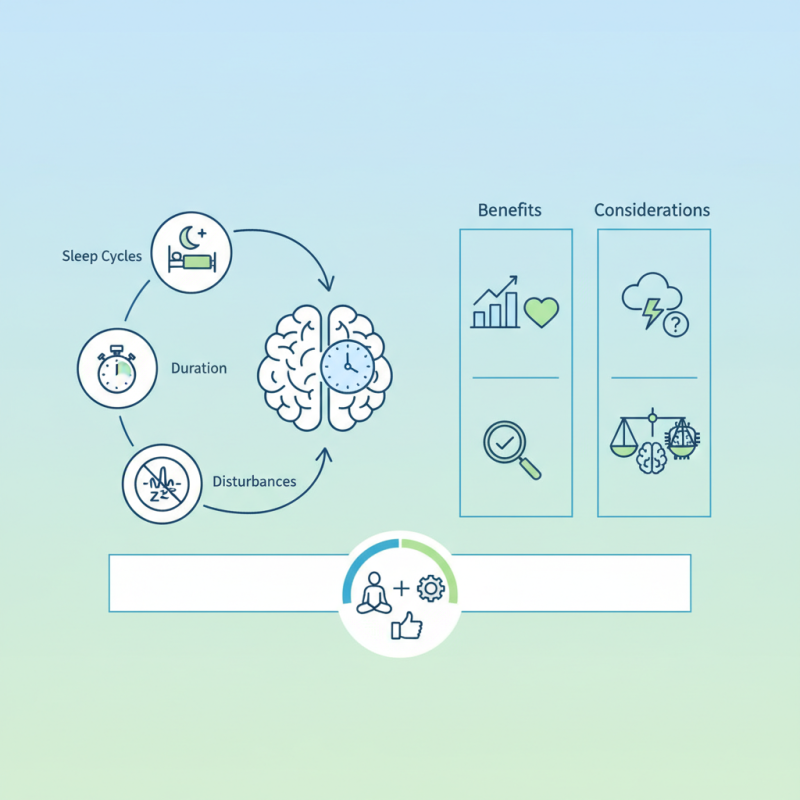
This technology tracks various metrics such as sleep cycles, duration, and disturbances. Users can receive real-time feedback and personalized advice. It helps highlight issues like insomnia or sleep apnea that may go unnoticed. Consequently, Sleep Monitoring Technology not only aids in detecting problems but also encourages healthier sleep practices.
However, the reliance on technology isn’t without imperfections. Some users may become overly focused on metrics, leading to anxiety about sleep quality. It’s essential to approach these tools with an open mind. Reflecting on the information provided can lead to better health choices, but balance is key. Effective sleep monitoring requires both technology and self-awareness.
The Role of Sleep in Overall Health and Well-being
Sleep plays a crucial role in our overall health and well-being. A good night's sleep influences mood, productivity, and cognitive function. Sleep affects how our body repairs itself. It is during deep sleep that essential processes occur. Muscle recovery, memory consolidation, and hormone regulation happen primarily at night.
Yet, many struggle to achieve quality sleep. Stress, screen time, and poor sleep environments contribute to this issue. Without proper sleep, our immune system weakens. This increases susceptibility to illness. Mental health can also decline, leading to anxiety and depression. Monitoring sleep patterns can provide valuable insights.
Understanding your sleep cycle helps identify issues. Sleep technology can track duration and quality, offering data to make improvements. These insights empower individuals to optimize their nightly rest. Prioritizing sleep is not just a health trend; it’s a necessary foundation for a vibrant life. Sleep is a complex process that deserves attention. Failing to address sleep issues can have lasting impacts.
Understanding Sleep Cycles and Their Impact on Health
Sleep cycles play a significant role in our overall health. Each cycle consists of several stages, including REM and non-REM sleep. Research indicates that adults need 7-9 hours of sleep each night for optimal health. However, nearly 30% of adults report less than this. Insufficient sleep can lead to serious health issues, such as obesity, diabetes, and cardiovascular diseases.
During deep sleep, the body repairs itself. Hormones are regulated, and memory consolidation occurs. A study published in the journal "Sleep" found that people who experience disrupted sleep cycles are at a higher risk for chronic diseases. They struggle with attention, focus, and emotional regulation. Many people underestimate the crucial impact that sleep has on daily functioning and long-term health outcomes.
Sleep monitoring technology can help track individual sleep patterns. This data can reveal disruptions in sleep cycles, allowing for personalized adjustments. Improving sleep hygiene can enhance overall well-being. Whether it's adjusting bedtime or reducing screen time, small changes can lead to better sleep quality. Embracing this technology may empower individuals to take proactive steps toward healthier sleep habits.
Why is Sleep Monitoring Technology Essential for Better Health?
| Sleep Cycle Stage | Duration (minutes) | Physical Recovery | Cognitive Recovery | Impact on Health |
| Light Sleep | 50 | Moderate | Low | Essential for memory consolidation |
| Deep Sleep | 30 | High | Moderate | Critical for physical restoration |
| REM Sleep | 20 | Low | High | Critical for emotional health |
Overview of Sleep Monitoring Technologies Available Today
Sleep monitoring technology has become a vital tool in promoting better health. Various devices and methods help track sleep patterns and quality. Popular technologies include wearable devices, mobile apps, and smart home systems. According to recent studies, over 50% of adults report sleep issues. This highlights the necessity of monitoring our sleep habits.
Wearables like smartwatches and fitness bands can provide insights into sleep stages. Studies show that these devices can accurately capture REM and deep sleep data. Mobile apps can complement these devices by recording sleep sounds and environmental factors. Combining these technologies allows for a comprehensive understanding of sleep.
Tip: To improve your sleep, establish a consistent bedtime routine. Avoid screens at least an hour before sleep. It can help signal your body that it’s time to rest.
Looking at the data, many people fail to adjust their habits based on sleep data. While technology provides useful insights, translating that information into action is crucial. Monitoring sleep alone does not guarantee improvement; behavioral changes are necessary.
Benefits of Sleep Tracking for Personal Health Improvements
Sleep tracking technology provides valuable insights into personal health. By monitoring sleep patterns, individuals gain a clearer understanding of their rest quality. This information is crucial for identifying issues like insomnia or sleep apnea. Simple metrics like sleep duration and restlessness can highlight areas for improvement.
Engaging with sleep data can lead to tangible benefits. For example, knowing when you enter deeper sleep may help optimize bedtime routines. This could translate into increased energy during the day. However, the accuracy of some devices can be questionable. Personal experiences may vary, making it essential to be critical of the data presented.
Moreover, awareness of sleep habits encourages proactive changes. Small adjustments, such as reducing screen time before bed, can yield significant results. Tracking sleep allows for informed discussions with healthcare providers. Such conversations are key to understanding overall health. It's a blend of technology and personal responsibility, ultimately leading to improved well-being.
Benefits of Sleep Tracking for Personal Health Improvements
How Data from Sleep Monitoring Influences Health Decisions
Sleep monitoring technology plays a crucial role in understanding our health. Studies show that poor sleep quality can increase the risk of chronic diseases. According to the Centers for Disease Control and Prevention (CDC), 1 in 3 adults do not get enough sleep. This lack can lead to obesity, diabetes, and cardiovascular issues. Monitoring sleep patterns provides valuable data. It helps identify trends that might otherwise go unnoticed.
Individuals are now using sleep trackers to discover their sleep cycles. These devices measure how long we sleep, the quality of sleep, and interruptions. A 2021 survey revealed that 78% of users reported making lifestyle changes based on this data. For instance, tracking nightly rest can inform decisions on bedtime routines and daily activity levels. Small adjustments lead to significant health benefits over time.
Tips:
- Establish a consistent sleep schedule.
- Aim for 7-9 hours nightly.
- Limit screen time before bed.
- Analyze your sleep data weekly.
Awareness of sleep habits creates opportunities for improvement. Making small changes can have a big impact. Reflect regularly on what you learn from your sleep patterns.


