What is a Smart Hotel and How Can It Benefit You?
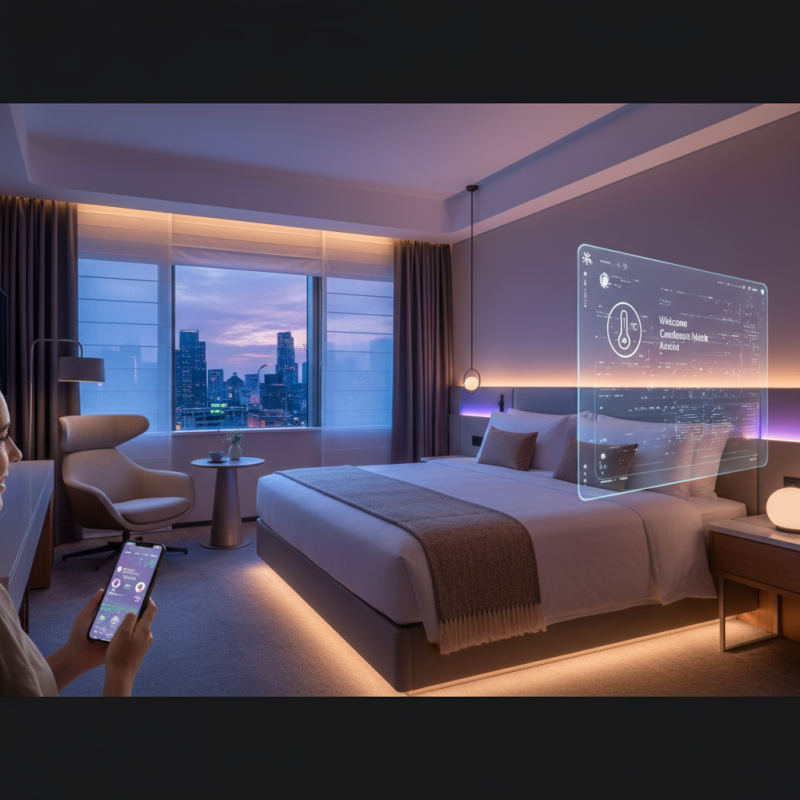
A Smart Hotel represents a revolution in the hospitality industry. It combines technology and comfort to enhance guest experiences. Imagine checking in seamlessly through a mobile app. Your room adjusts automatically to your preferred temperature upon arrival.
Smart Hotels use devices like smart lighting and voice-controlled assistants. These features help personalize each stay, making it memorable. However, not all Smart Hotels are created equal. Some may implement technology poorly, creating frustration instead of ease. Guests should research options to find a truly innovative experience.
The future of travel is changing rapidly. As more travelers embrace connected solutions, the demand for Smart Hotels will increase. But the challenge lies in maintaining a balance between technology and genuine human interaction. A Smart Hotel should not lose the warmth of hospitality amidst its innovations.
Definition and Features of Smart Hotels
Smart hotels represent a new frontier in hospitality. These establishments leverage technology to enhance guest experiences. With features like mobile check-in, smart room controls, and AI concierge services, they aim to provide convenience and comfort.
Guests can use their smartphones to control room settings, like lighting and temperature. This personalization enhances comfort and reduces energy consumption. Voice-activated assistants can provide information, answer queries, and even order room service. However, technology failures can sometimes disrupt these experiences.
Tips: Always check that the devices are functioning properly before relying on them. Be prepared for instances where technology may not work as expected. Additionally, familiarize yourself with the hotel’s app or interface.
Smart hotels also implement data-driven solutions. They gather guest preferences to improve future stays. While this offers tailored experiences, guests should consider privacy concerns.
Tips: Read the privacy policy to understand data usage. Ask hotel staff about how data is protected. Being informed can greatly enhance your stay, despite any reservations about technology.
Key Technologies Driving Smart Hotel Innovations
Smart hotels are revolutionizing the hospitality industry with advanced technologies. These innovations create seamless experiences for guests while optimizing operations for hoteliers. According to a 2022 report by Hospitality Technology, the global smart hotel market size was valued at $15.3 billion and is projected to grow at a CAGR of 18.9% from 2023 to 2030.
Key technologies driving this transformation include the Internet of Things (IoT), artificial intelligence (AI), and contactless solutions. IoT devices enable smart lighting, climate control, and personalized room settings. A study published by Deloitte highlighted that 75% of hotel guests prefer automation that enhances their comfort. AI chatbots improve customer service, addressing inquiries promptly. Contactless check-in and mobile room keys streamline the guest experience, but they also pose challenges in data privacy and security.
Despite the benefits, implementing these technologies requires careful consideration. The initial costs can be high, and staff training is essential for effective usage. While many hotels adopt innovations, the challenge lies in maintaining a personal touch. Hospitality relies on human interactions, and too much technology may lead to a colder experience. Balancing innovation with personal service is vital for success in the smart hotel landscape.
Smart Hotel Technology Adoption by Year
Benefits of Staying in a Smart Hotel for Guests
Staying in a smart hotel offers numerous benefits for guests. These hotels use advanced technology to enhance comfort and convenience. For example, you can control room settings with your smartphone. Adjust the temperature, lighting, and even the TV channels without getting up. This level of personalization makes your stay more enjoyable.
Moreover, smart hotels often provide a seamless check-in and check-out experience. You can skip the front desk entirely with mobile key access. This saves time and reduces physical contact, which is more relevant now than ever. Guests also appreciate the ability to communicate with hotel staff through instant messaging apps.
However, reliance on technology can feel impersonal. Some guests might prefer traditional interactions with staff. It’s essential to strike a balance between innovation and human touch. Smart hotels are continually evolving, and each visit can offer unique surprises. Embracing these advancements while reflecting on personal preferences can lead to an enriching hotel experience.
Impact of Smart Hotels on Hotel Management and Operations
Smart hotels are changing the landscape of hospitality. They utilize technology to streamline operations and enhance guest experiences. This shift can greatly impact hotel management. Managers can access real-time data that helps them make informed decisions. Energy management systems help reduce costs. Automated check-in and virtual concierge services offer efficiency. These innovations can lead to significant savings.
However, integrating technology can be challenging. Not all staff are tech-savvy. Training is essential but can be time-consuming. Issues with system reliability may arise, causing guest frustration. Balancing automation with the human touch is crucial. Guests still value personalized service, even in a tech-driven environment.
The shift toward smart hotels may also raise security concerns. Data privacy is a significant issue as hotels collect guest information. Ensuring robust security measures is vital. Managers must be vigilant about protecting guest data. Embracing smart technology requires a comprehensive strategy. It’s important to reflect on both the benefits and potential pitfalls. This balance is key to successfully navigating the evolution of hotel management.
What is a Smart Hotel and How Can It Benefit You?
| Feature | Description | Benefits |
| Automated Check-in | Self-service kiosks or mobile apps enabling guests to check in without waiting in line. | Reduces wait times, enhances guest experience. |
| Smart Room Controls | Control lighting, temperature, and entertainment systems via mobile devices or voice. | Increased comfort, personalized guest experience. |
| Data Analytics | Use of analytics to monitor guest preferences and behavior. | Improved services and targeted marketing, leading to higher occupancy rates. |
| Mobile Room Key | Use smartphones as room keys via Bluetooth or NFC technology. | Enhanced security and convenience for guests. |
| IoT Integration | Connected devices providing seamless communication between hotel staff and guests. | Efficient service delivery and proactive issue resolution. |
Future Trends in Smart Hospitality and Guest Experiences
As the hospitality industry evolves, smart hotels are integrating cutting-edge technology to enhance guest experiences. These establishments leverage IoT devices, offering personalized services. Imagine checking into your room, and the lights automatically adjust to your preference. This level of automation brings not just convenience, but a unique sense of comfort.
Looking ahead, we see several trends shaping smart hospitality. Voice-activated assistants become standard in guest rooms, allowing for hands-free control of the environment. However, this reliance on technology can sometimes lead to privacy concerns. Guests may feel uneasy about data collection. Transparency will be essential as hotels navigate these challenges.
Additionally, smart hotels are emphasizing sustainability. Automation helps reduce energy usage, aligning with eco-conscious travelers' values. Yet, the installation costs for these technologies can be high. Hotels must balance investment with guest satisfaction. Continuous feedback from guests can guide improvements in service delivery and technology integration. Adapting to these shifts requires ongoing evaluation and adjustment.