Skip to content

10 Tips for Creating an Engaging Biotech Newsletter to Boost Readership

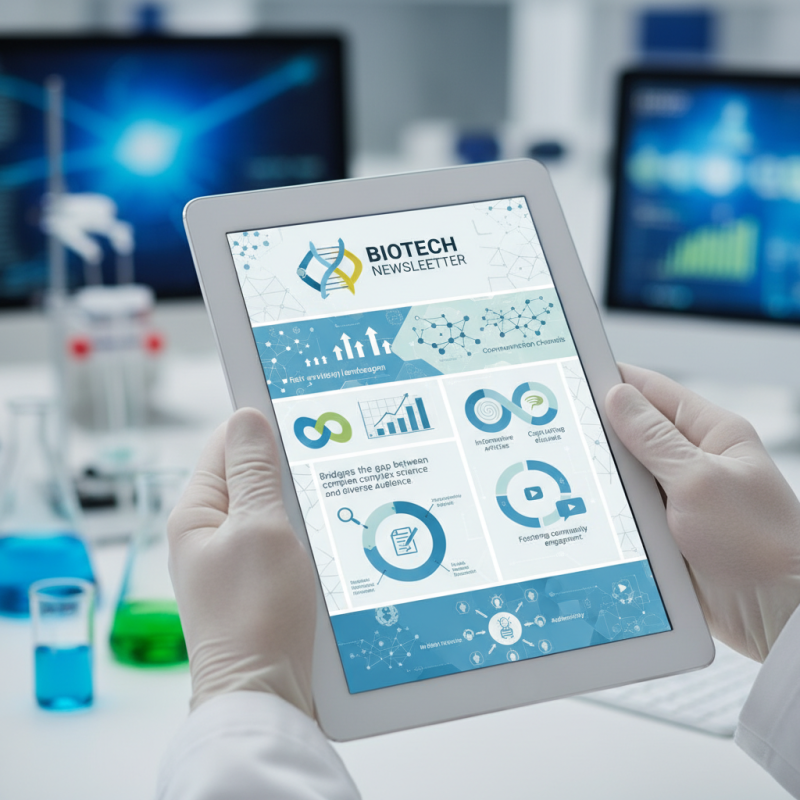
In the fast-evolving landscape of biotechnology, an engaging Biotech Newsletter can significantly enhance your organization’s visibility. According to a recent report by BioPlan Associates, the global biotech market is projected to grow by over 10% annually, emphasizing the need for effective communication channels. A well-crafted newsletter helps bridge the gap between complex scientific advancements and the diverse audience interested in these developments.

However, creating such a newsletter is not without challenges. Research by Content Marketing Institute indicates that 60% of marketers struggle with producing relevant content that resonates with readers. Ensuring your Biotech Newsletter stands out requires a blend of informative articles, captivating visuals, and interactive elements. It’s essential to reflect on what truly engages your audience.

Share insights from industry leaders, but also present fresh perspectives. Subscribers appreciate transparency and authenticity. With evolving preferences, continuous testing and adaptation are critical. Establishing a strong foundation for your newsletter can take time, but the payoff is invaluable in boosting readership and fostering community engagement.
10 Tips for Creating an Engaging Biotech Newsletter to Boost Readership

Understanding Your Target Audience in Biotech Newsletters

Understanding your target audience is critical for creating an engaging biotech newsletter. Knowing who reads your newsletter can greatly enhance your content. Are they researchers, industry professionals, or investors? Each group has unique interests and questions. Tailoring your content to fit their needs is essential for keeping them engaged.

One effective tip is to use clear, simple language. Avoid jargon that may confuse your readers. Biotech topics can be complex, so breaking them down helps. Illustrate concepts with real-world examples to make them relatable. Another tip is to incorporate interactive elements. Polls or short quizzes can spark interest and increase readership. Engaging your audience should be a continuous effort.

Feedback is invaluable. Encourage your readers to share their thoughts and suggestions. This information can highlight areas for improvement. You may want to rethink the sections of your newsletter if they don’t resonate. Analyzing open rates and click-through metrics can guide you in adjusting content strategies. Engaging your audience isn't easy, but reflection can lead to significant improvement.

10 Tips for Creating an Engaging Biotech Newsletter to Boost Readership

Tip Description Expected Impact Audience Target
1. Identify Your Audience Understand who your readers are and what interests them. Increased relevance and engagement. Researchers, Investors, Biotech Enthusiasts
2. Create Valuable Content Provide insights, news, and analysis relevant to your audience. Higher open and click rates. Biotech Professionals, Academics
3. Use Clear Headlines Craft attention-grabbing headlines that summarize the content. Improved readability and engagement. General Public, Science Communicators
4. Incorporate Visuals Use graphics, images, and charts to enhance understanding. Enhanced engagement through visual appeal. Students, Professionals
5. Include Relevant Call-to-Actions Encourage readers to engage, share, or respond. Increased interactivity and feedback. Investors, Stakeholders
6. Optimize for Mobile Ensure the newsletter is easy to read on mobile devices. Broader accessibility and reach. Readers on-the-go
7. Schedule Regularly Publish newsletters consistently to establish trust. Improved reader retention. All Audience Types
8. Engage with Feedback Ask for and publish reader feedback to foster community. Stronger community connection. Active Readers
9. Highlight Success Stories Showcase achievements in the biotech field. Motivated readers and potential collaborators. Investors, Researchers
10. Personalize Content Use subscriber data to tailor content specifically. Higher engagement through relevance. Targeted Subscribers

Crafting Compelling Headlines to Capture Reader Interest

Creating compelling headlines is crucial for grabbing your readers' attention. A strong headline can instantly spark interest. Use clear and concise language to convey the essence of your article. Aim for clarity. Avoid jargon that may confuse readers. Instead, opt for words that resonate with your audience. Think about what catches your own eye when browsing.

Numbers often attract clicks. Headlines like “5 Breakthroughs in Gene Therapy” promise valuable insights. They create expectations. But don’t go overboard with sensationalism. Misleading headlines can lead to disappointment. Keep it genuine. Experiment with different formats.

Questions can provoke curiosity. A headline such as “Is This the Future of Biotech?” invites readers to explore answers.

Personalization can enhance engagement. Tailor your headlines to address specific challenges in the biotech field. However, ensure that your content delivers on the promise of your headline. This balance is essential. When readers feel misled, they’ll lose trust and interest. Regularly reflect on which headlines perform best. Don’t be afraid to revise. Your headline is the first impression. Make it count.

Utilizing Visuals and Graphics to Enhance Content Appeal

Visuals and graphics play a critical role in making biotech newsletters more engaging. A report from the University of Massachusetts found that including visuals can increase reader engagement by up to 94%. Images, infographics, and charts can transform complex data into easily digestible insights. These elements break the monotony of text and capture attention effectively.

Biotech newsletters often convey intricate scientific concepts. High-quality visuals can simplify this information. For instance, a well-designed infographic can depict the results of a study in a way that is straightforward and appealing. However, it’s essential to avoid clutter. Too many visuals may confuse readers. Striking a balance between text and visual material is vital to keep the reader focused.

Combining visuals with relevant data can also enhance credibility. A recent survey indicated that 65% of people learn better when images accompany text. This underscores the need for careful selection of visuals. Yet, not all images resonate equally with audiences. Marketers should continuously evaluate their visual choices based on reader feedback and analytics. Consistent refinement is key to achieving the desired impact.

Incorporating Latest Trends and Research in Biotech

10 Tips for Creating an Engaging Biotech Newsletter to Boost Readership

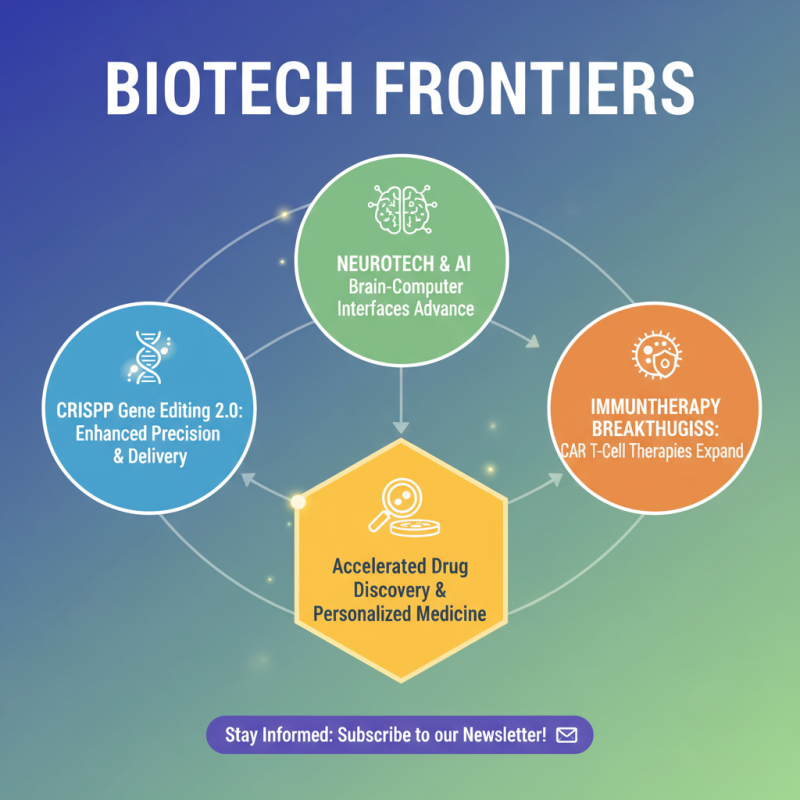
In the fast-evolving field of biotechnology, staying updated is essential. Your newsletter should reflect the latest trends and research. This keeps your readers engaged and informed. Highlight recent breakthroughs or significant studies in each issue. Consider incorporating infographics to illustrate complex data. Visuals make information more digestible.

To deepen engagement, encourage reader contributions. Ask for opinions or feedback on new research. This interaction fosters a sense of community. Regularly analyze which topics bring in the most interest. Did certain articles resonate more than others? Adjust your content strategy accordingly.

Keep your design simple and user-friendly. Overly complicated layouts can deter readers. Use clear headings and bullet points to enhance readability. Each issue should feel fresh yet familiar. Experiment with colored sections for different themes. Not every approach will work, and that’s okay. The key is to reflect and iterate based on feedback and metrics.

Maintaining Consistency and Frequency in Newsletter Distribution

10 Tips for Creating an Engaging Biotech Newsletter to Boost Readership

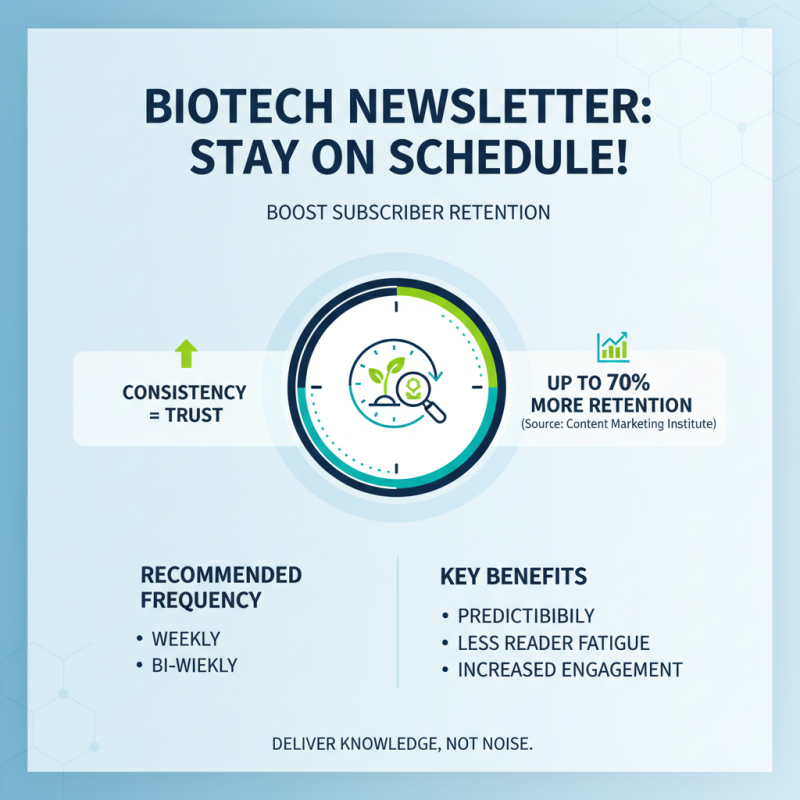
Establishing a consistent schedule for your biotech newsletter is crucial. Data from the Content Marketing Institute suggests that regular updates can increase subscriber retention by up to 70%. Readers appreciate knowing when to expect their next dose of information. This doesn't mean you have to pump out content daily. A weekly or bi-weekly schedule can be effective while avoiding reader fatigue.

Maintaining frequency is not just about timelines; it’s also about quality. According to HubSpot, 54% of consumers want to see more content from their favorite brands. However, it’s vital to avoid overwhelming your audience. Too many newsletters can lead to disengagement. Balance is key. An engaging newsletter should present news, insights, and trends in biotech without becoming repetitive.

Moreover, don't be afraid to take risks with your topics. If something doesn't resonate, observe the engagement metrics. Experimentation can lead to improved content strategies. To maintain interest, consider incorporating reader feedback. This may help spot gaps in your content and improve overall engagement. Recognizing what works—and what doesn’t—will fine-tune your newsletter’s appeal.