China Top Life Science Tech Innovations Driving Future Healthcare Solutions?
In recent years, China has emerged as a global leader in Life Science Tech innovations. These advancements are reshaping healthcare solutions, offering new possibilities for patient care and treatment. According to a report from Deloitte, the Chinese healthcare market is projected to grow to $2 trillion by 2030, driven by technological advancements and an aging population. Life Science Tech is at the forefront of this transformation, fueling developments in genomics, biotechnology, and personalized medicine.
Cutting-edge technologies like AI and machine learning are revolutionizing diagnostics and drug discovery. A study by McKinsey highlights that AI could create up to $100 billion in value annually for the healthcare sector. However, the journey is not without challenges. Regulatory frameworks are often slow to adapt to rapid innovations. Moreover, ethical concerns about data privacy and security remain significant hurdles.
Despite these issues, the potential benefits of Life Science Tech are immense. Enhanced healthcare solutions promise improved patient outcomes and greater operational efficiency. As China continues to invest in this sector, industry stakeholders must navigate the complexities of innovation while remaining committed to ethical practices and patient trust. The ongoing evolution in Life Science Tech presents both opportunities and challenges that warrant careful consideration.

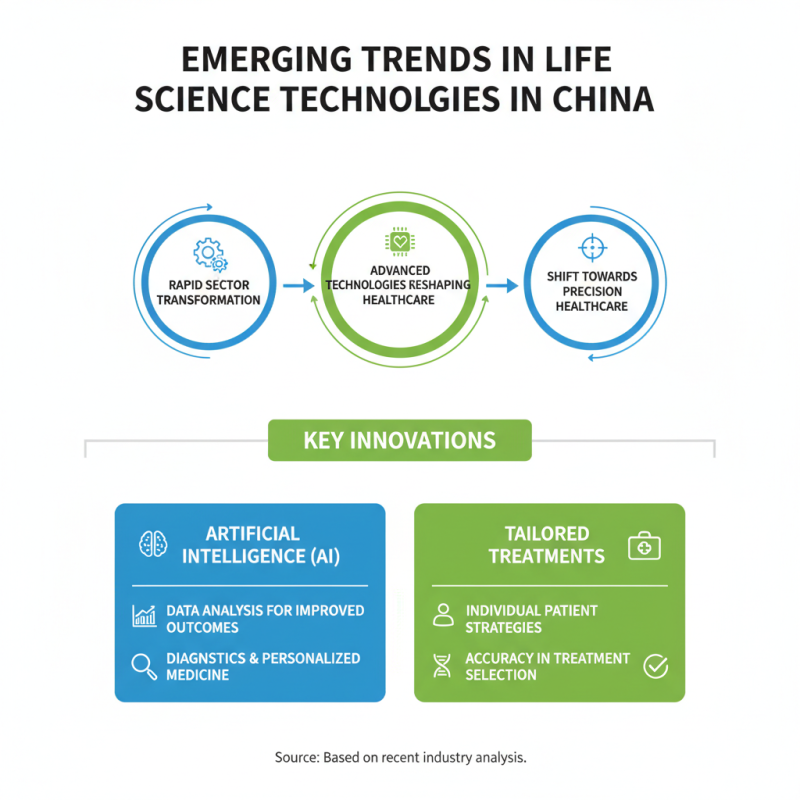
Emerging Trends in Life Science Technologies in China
China's life science sector is undergoing rapid transformation. Advanced technologies are reshaping how healthcare is delivered and managed. Artificial intelligence, for instance, analyzes vast amounts of data, improving patient outcomes. It assists in diagnostics and personalized medicine strategies, offering tailored treatments for individual patients. This trend highlights a shift towards precision healthcare, aiming for accuracy in treatment selections.
Another emerging trend is the integration of biotechnology with digital tools. CRISPR and gene editing technologies are revolutionizing therapeutic approaches. These innovations promise to combat genetic disorders effectively. However, ethical concerns linger. As gene editing becomes more accessible, the need for regulatory frameworks grows. It's crucial to balance innovation with ethical practices in healthcare.
Telemedicine has also gained traction, especially post-pandemic. Remote consultations are now common in urban and rural areas alike. This access has improved healthcare delivery but raises issues of quality. Not all patients receive the same level of care through virtual means. The disparity in technology access must be addressed to ensure equitable healthcare solutions. Overall, while progress is promising, ongoing reflection on these innovations is necessary for a sustainable future.
Key Innovations in Genomic Research and Precision Medicine
In recent years, China has emerged as a significant player in genomic research and precision medicine. Innovative techniques like CRISPR gene editing and next-generation sequencing are transforming the healthcare landscape. These technologies enable personalized treatment plans tailored to individuals, enhancing effectiveness and reducing side effects.
Precision medicine relies heavily on genetic data to understand diseases better. For instance, researchers are extracting valuable insights from genomic information. However, challenges persist in standardizing testing procedures and ensuring equitable access. Data privacy concerns also arise, creating a need for stringent regulations.
Despite these hurdles, the potential for breakthroughs is vast. Innovations in bioinformatics accelerate the interpretation of genetic data. They pave the way for developing targeted therapies, particularly in oncology. The journey is ongoing, and stakeholders must remain vigilant and adaptable. Balancing innovation with ethical considerations will be crucial for success in the future of healthcare.
Advancements in Artificial Intelligence for Healthcare Management
Artificial Intelligence (AI) is transforming healthcare management in remarkable ways. It supports clinicians in diagnosing diseases accurately and quickly. For instance, AI algorithms analyze medical imaging data. They can detect anomalies that may be missed by the human eye. This aids radiologists in making faster decisions and improves patient outcomes.
Furthermore, AI enhances patient management systems. Automated tools track patient data, ensuring timely follow-ups and personalized care plans. However, reliance on AI raises some concerns. Physicians may depend too much on technology, overlooking their clinical instincts. Misinterpretations by AI systems can lead to misdiagnosis, urging a balance between technology and human expertise.
Additionally, AI-driven analytics provide insights into treatment effectiveness. They help healthcare providers adapt strategies based on real-time data. Yet, ethical questions linger regarding patient privacy and data security. Maintaining trust requires transparency in how data is utilized. As AI continues to penetrate healthcare, keeping human oversight central is vital for success.
China Top Life Science Tech Innovations Driving Future Healthcare Solutions
This chart illustrates the comparative advancements in various artificial intelligence technologies applied to healthcare management, highlighting growth in sectors such as predictive analytics, patient monitoring systems, and diagnostic algorithms over the past few years.
Biotechnology Breakthroughs Revolutionizing Drug Development
The landscape of drug development is undergoing a significant transformation, particularly influenced by cutting-edge biotechnology breakthroughs. Reports indicate that the global biotechnology market could reach $2.4 trillion by 2028, fueled by advancements in gene therapy and personalized medicine. These technologies are improving drug efficacy and reducing development time. For instance, some companies now create tailored therapies for genetic disorders, showcasing a shift toward more individualized treatment approaches.
One recent study highlighted that innovations in CRISPR technology have accelerated the drug development process by over 50%. This allows scientists to edit genes rapidly and accurately. As a result, researchers can tackle previously untreatable diseases, providing hope for patients. Yet, despite these advancements, ethical concerns linger. The balance between innovation and responsibility remains an area needing careful consideration.
Tips: When navigating this evolving landscape, stay informed about emerging technologies. Follow credible sources for the latest research findings. Collaborate with multidisciplinary teams to enhance creativity and problem-solving. Embracing diverse perspectives can lead to more comprehensive solutions in drug development.
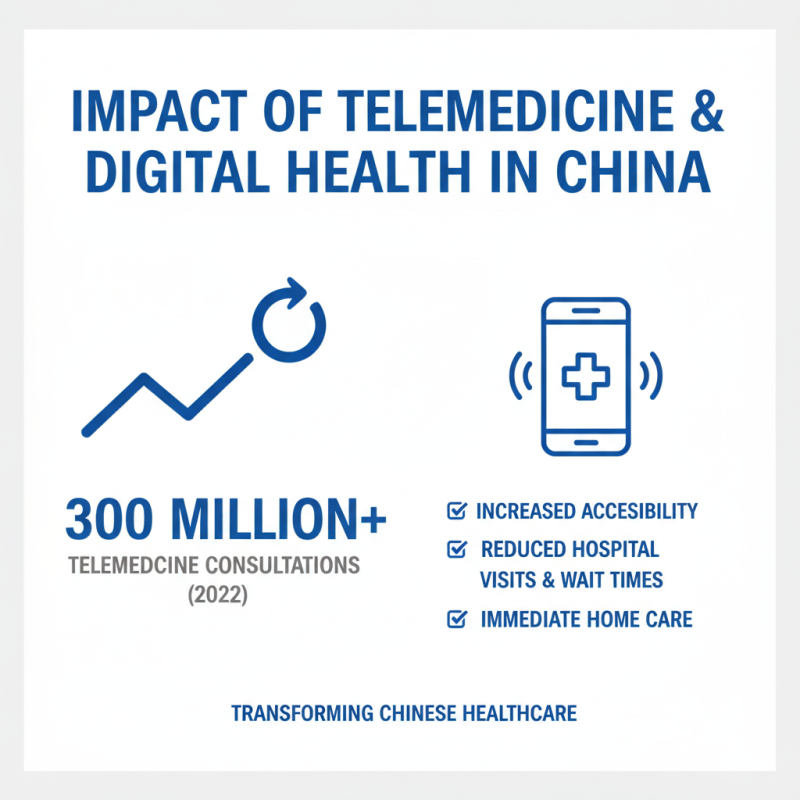
Impact of Telemedicine and Digital Health Solutions in China
Telemedicine has transformed healthcare in China significantly. In 2022, over 300 million consultations were conducted through telemedicine platforms. This remarkable growth reflects a shift in patient preferences. Digital health solutions provide accessibility, reducing hospital visits and wait times. Patients can now receive immediate care for minor ailments without leaving home.
One striking statistic reveals that 85% of patients in urban areas have used digital health services. Still, rural regions face challenges. Limited internet access and digital literacy hinder adoption. These disparities highlight the need for targeted strategies to enhance telemedicine reach. Efforts to build infrastructure could improve service availability for everyone.
Healthcare professionals also face hurdles. Many need training to adapt to digital tools effectively. A report indicated that nearly 40% of doctors are not satisfied with their digital health training. As technology evolves, ongoing education is essential. Failing to address these gaps could stall progress in healthcare innovation. The potential of telemedicine is vast, yet obstacles remain, urging continuous effort and assessment.