Why Digital Life Sciences Are Transforming Modern Healthcare?
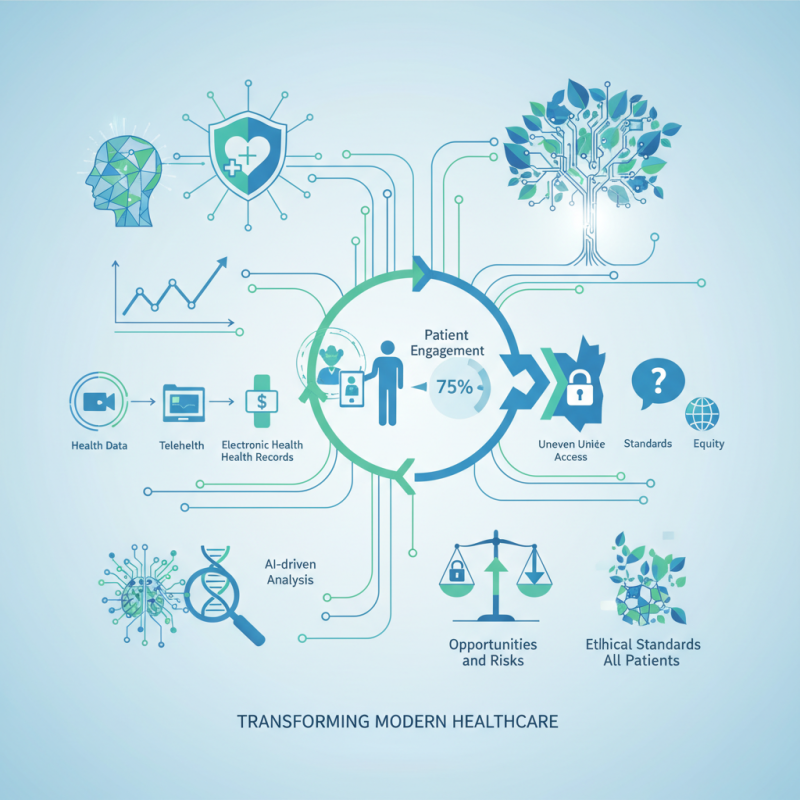
Digital Life Sciences are revolutionizing healthcare today. A recent report by Grand View Research indicates that the global digital health market will reach $509.2 billion by 2025. This immense growth reflects a significant shift towards technology-driven solutions in medicine. Telehealth, electronic health records, and wearable technology are becoming integral parts of patient care.
Patient engagement is a key factor in this transformation. According to a study by McKinsey, 75% of consumers are now more likely to engage with their health data digitally. However, challenges remain. Data privacy concerns and uneven access to technology create barriers in this evolving landscape. Digital Life Sciences present both opportunities and risks. As we embrace these innovations, we must remain vigilant and address these critical issues.
Connecting patients with real-time data enhances treatment plans. AI-driven analysis can predict diseases before symptoms arise. Yet, not all advancements meet ethical standards or contribute to equity. Continuous reflection is necessary to ensure that Digital Life Sciences truly benefit all patients, not just a select few.
The Impact of Digital Health Innovations on Patient Care Delivery
Digital health innovations are revolutionizing patient care delivery. Telemedicine offers convenient access to healthcare professionals. Patients can connect with doctors remotely. This reduces travel time and waiting periods. It allows for a more timely response to health issues. However, not every patient is comfortable with technology. Some may find virtual visits impersonal. It’s crucial to bridge this gap.
Wearable devices are another significant aspect of digital health. They monitor vital signs in real-time. Patients can track their heart rate or blood pressure easily. This data can help physicians make informed decisions. Yet, there are concerns about data privacy and security. Patients need to understand how their information is used.
**Tip**: Always review privacy policies before sharing health data.
Lastly, digital platforms for chronic disease management improve patient engagement. Apps remind patients to take medications or attend follow-ups. However, some patients may neglect these tools. They might prefer traditional reminders. It’s essential to encourage consistent use of these resources.
**Tip**: Set personal reminders to enhance adherence to digital tools.
Why Digital Life Sciences Are Transforming Modern Healthcare? - The Impact of Digital Health Innovations on Patient Care Delivery
| Innovation |
Description |
Impact on Patient Care |
Year Introduced |
| Telemedicine |
Remote consultations via video calls. |
Increases access to healthcare. |
2015 |
| Wearable Devices |
Health monitoring devices like smartwatches. |
Empowers patients to manage their health. |
2013 |
| Health Apps |
Mobile applications for health tracking. |
Enhances patient engagement with care. |
2010 |
| Artificial Intelligence |
AI algorithms for diagnosing diseases. |
Improves diagnostic accuracy and speed. |
2018 |
| Blockchain |
Secure patient data sharing technology. |
Enhances data integrity and security. |
2020 |
Integration of Big Data Analytics in Life Sciences for Personalized Medicine
The landscape of healthcare is rapidly changing.
Big data analytics plays a crucial role in life sciences.
It allows for the collection and analysis of vast amounts of health data. This data can include
genetic information, lifestyle habits, and treatment responses. With these insights, healthcare can become
more personalized and effective.
Personalized medicine tailors treatment to individual patients.
It moves away from a one-size-fits-all approach. For example,
two patients with the same condition may respond differently to the same drug. Analyzing their specific
data can lead to better treatment options. However, implementing this approach is not without challenges.
Tips:
- Embrace patient data responsibly.
- Ensure privacy and security.
- Collaborate with experts in data analytics to enhance outcomes.
- Patient engagement is vital.
- Involve them in their treatment plans. This builds trust and improves adherence.
- Reflection is important
- in this evolving field. Continuous learning and adaptation are essential for success.
Telemedicine: Expanding Access and Efficiency in Modern Healthcare
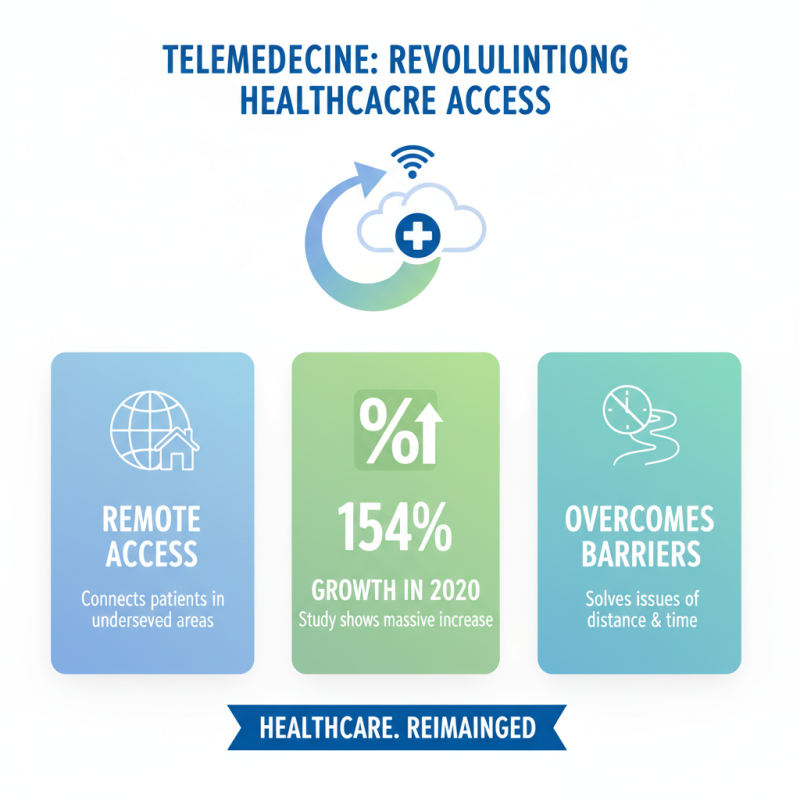
Telemedicine is revolutionizing modern healthcare. It enhances access for patients in remote areas. A recent study indicated that telemedicine use increased by 154% in 2020. This surge shows how vital it is for healthcare delivery. Busy schedules and geographical barriers often prevent patients from receiving needed care.
Moreover, telemedicine can enhance efficiency. A report by McKinsey revealed that telehealth visits account for 20% of all healthcare appointments. This shift allows clinicians to see more patients and reduces wait times. However, challenges exist. Not all patients have access to the technology needed for virtual visits. Some lack reliable internet connections. Additionally, not everyone feels comfortable using telehealth platforms.
Patient satisfaction remains mixed. While many appreciate convenience, others miss in-person interactions. Communication can feel impersonal through screens. The approach may not suit every diagnosis, requiring a balance. Addressing these issues is essential for maximizing telemedicine’s potential in healthcare.
Utilizing Artificial Intelligence for Drug Discovery and Patient Monitoring
Artificial Intelligence is reshaping drug discovery and patient monitoring. Researchers are now using algorithms to analyze vast datasets. This aids in identifying potential drug candidates faster than ever. Traditional methods were time-consuming and often inefficient. AI can streamline this process, but it’s not without challenges.
For patient monitoring, AI systems can track health data in real time. Wearable devices collect vital signs and alert healthcare providers to abnormalities. This proactive approach can lead to early interventions. However, reliance on technology raises concerns about data privacy. It’s crucial to balance innovation with ethical considerations.
Although the benefits are significant, the integration of AI is complex. Many healthcare professionals may not be fully trained in this technology. This gap can lead to misunderstandings or misuse. Continuous education and robust guidelines are necessary to harness AI's full potential in healthcare.
The Role of Wearable Technology in Chronic Disease Management and Prevention
Wearable technology is reshaping chronic disease management. Devices like fitness trackers and smartwatches provide real-time health data. Patients can monitor their vital signs, activity levels, and sleep patterns. This continuous feedback empowers individuals to adjust their lifestyles. Yet, this power can also overwhelm some users. Not everyone feels comfortable using these technologies.
The benefits are clear. For instance, a person with diabetes can track blood sugar levels on the go. Alerts can be set for abnormal readings. This immediate feedback helps users make informed choices. However, the sheer volume of data can lead to anxiety. Users may struggle to interpret their information.
Integration with healthcare systems is essential. Doctors can access data, tailoring treatments for individual needs. Communication gaps can arise if patients don’t share all relevant information. Consistent usage is crucial for these technologies to be effective. Users must engage actively in their health journey. Challenges remain, but wearable tech undeniably influences chronic disease management.
Impact of Wearable Technology on Chronic Disease Management
This chart illustrates the effectiveness of wearable technology in managing chronic diseases over a period of five years. The data shows a percentage improvement in health outcomes across various chronic conditions, highlighting the transformative role of digital life sciences in modern healthcare.