What is Gene Synthesis and How is it Used in 2026?
Gene Synthesis has revolutionized the field of biotechnology. In 2026, this technology finds wide applications in medicine, agriculture, and synthetic biology. Researchers can create customized genes quickly and accurately.
The applications of Gene Synthesis are vast. For instance, scientists can develop tailored medications. This enhances treatment strategies for various diseases. Additionally, it aids in the creation of more resilient crops. These crops can withstand environmental stress, supporting food security.
However, challenges remain. Ethical concerns about genetic modifications persist in public discourse. Misuse of Gene Synthesis technology is a point of reflection. As we advance, balancing innovation with safety is crucial. The path ahead is promising, yet it requires careful consideration.
What is Gene Synthesis?
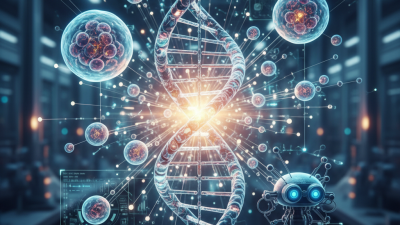
Gene synthesis is a revolutionary technology that allows scientists to create artificial DNA sequences. This process enables the assembly of genes from simpler components. By piecing together small fragments of nucleotides, researchers can design genes tailored for specific functions. The precision of this technology is remarkable. Researchers can replicate sequences found in nature or create entirely new ones. This opens the door to numerous applications.
In 2026, gene synthesis is increasingly being used in medicine, agriculture, and environmental science. For instance, creating customized genetic sequences can lead to advances in personalized medicine. These tailored therapies could target individual genetic profiles, offering more effective treatments. However, this rapid advancement raises ethical concerns about gene manipulation and unintended consequences.
Despite its potential, gene synthesis is not without challenges. Errors in design or synthesis can lead to non-functional genes. Researchers must carefully consider these risks. Striking a balance between innovation and safety is crucial. Understanding the implications of creating new life forms is still a work in progress. The complexities of genetics require ongoing reflection and dialogue within the scientific community.
The Process of Gene Synthesis in 2026
In 2026, gene synthesis has transformed scientific research. This process allows for the creation of DNA sequences in a laboratory. Sophisticated automated systems can now produce synthetic genes quickly and precisely. According to a report from BioTech Innovations, the market for gene synthesis is projected to reach $4 billion by 2027.
The gene synthesis process involves several key steps. Scientists start with a design phase, choosing specific DNA sequences. They then use advanced techniques to assemble these sequences in a controlled environment. This can lead to faster discoveries in medicine and biotechnology. However, challenges remain. For instance, the accuracy of synthetic DNA can sometimes lead to unpredicted outcomes. Researchers must consider the implications of these results.
**Tip:** Always validate synthetic genes before using them in experiments. This reduces the risk of erroneous data.
The applications of gene synthesis are vast. It aids in creating personalized medicine. Researchers can design therapies tailored to individual genetic profiles. Yet, ethical considerations arise with such power. As technology progresses, the responsibility rests on scientists to tread carefully.
**Tip:** Regularly review ethical guidelines related to gene editing and synthesis. This helps maintain integrity in research practices.
Applications of Gene Synthesis in Biotechnology
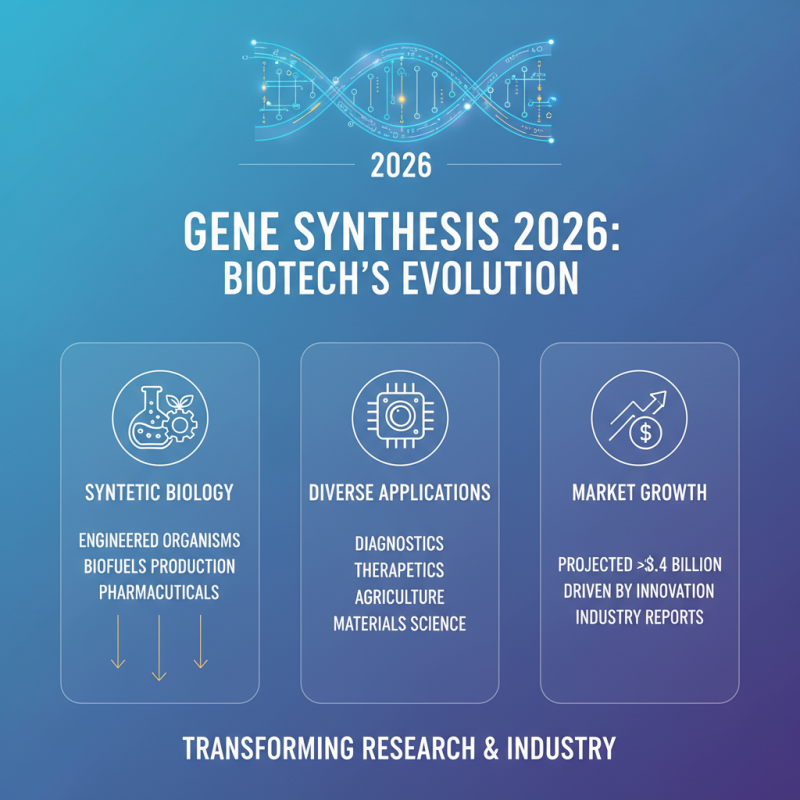
Gene synthesis has transformed biotechnology, offering new avenues for research and application. In 2026, its uses are diverse and impactful. A significant area is in synthetic biology, where scientists create engineered organisms for specific functions. For instance, synthetic microbes can be designed to produce biofuels or pharmaceuticals efficiently. According to industry reports, the gene synthesis market is projected to exceed $3.4 billion by 2026, driven by these innovative applications.
Another exciting application is in personalized medicine. Gene synthesis allows researchers to replicate patient-specific genetic sequences. This aids in developing tailored therapies to treat genetic disorders more effectively. Issues still exist in this field, particularly around ethical considerations and regulatory approval. There's also a gap in understanding long-term implications. Despite successes, the precision of these technologies demands greater scrutiny.
Furthermore, gene synthesis plays a role in agricultural biotechnology. Modified crops can be developed for higher yields and pest resistance. However, public acceptance remains a hurdle. Ethical concerns often overshadow the benefits. Reports indicate that while biotech crops could reduce pesticide use by up to 30%, consumer resistance can hinder their adoption. Balancing innovation with societal concerns is crucial for future advancements.
Impact of Gene Synthesis on Medicine and Healthcare
Gene synthesis has transformed medicine in striking ways by allowing researchers to create specific DNA sequences. By 2026, this technology plays a crucial role in developing personalized therapies. For instance, advancements in gene synthesis have improved gene editing techniques, like CRISPR, making treatments more precise. According to a recent report by the Global Genomics Market, the gene synthesis market is projected to reach $5.6 billion by 2026, highlighting its growing significance.
One impactful application is in the field of cancer treatment. Tailored therapies utilize synthesized genes to target cancer cells specifically. This approach reduces side effects compared to traditional therapies. In 2025, clinical trials demonstrated a 35% increase in survival rates among patients using personalized gene therapy. However, these technologies can raise ethical concerns and accessibility issues. Not all patients have equal access to these advanced treatments.
Tips: When considering gene synthesis applications, think about the costs involved. Research funding remains critical, as many startups struggle financially. Collaborations between academia and industry could enhance progress. Also, maintain an open mind regarding the implications of gene therapies on society. Balancing innovation with ethical considerations is essential for sustainable progress. The future of healthcare depends on these thoughtful approaches.
What is Gene Synthesis and How is it Used in 2026? - Impact of Gene Synthesis on Medicine and Healthcare
| Application Area |
Impact in 2026 |
Examples |
| Gene Therapy |
Personalized treatments that target genetic disorders |
Treatment for cystic fibrosis, hemophilia |
| Vaccine Development |
Rapid production of mRNA vaccines |
COVID-19, influenza vaccines |
| Synthetic Biology |
Creation of microorganisms for drug production |
Insulin production, biofuels |
| Agricultural Biotechnology |
Genetic modifications for crop resistance |
Disease-resistant crops, enhanced nutrition |
| Biomanufacturing |
Use of engineered systems for mass production |
Production of antibodies, enzymes |
Future Trends in Gene Synthesis Technology
Gene synthesis technology is experiencing rapid advancements. By 2026, it is poised to impact various fields significantly. Researchers are exploring new methods to create synthetic genes that mirror natural ones. This offers exciting possibilities for medicine, agriculture, and environmental science.
One promising area is personalized medicine. Customized gene therapies could target specific genetic disorders. As synthesis techniques become more efficient, costs will likely decline. However, ethical concerns must be addressed. The potential for misuse or unintended consequences looms large. Each breakthrough brings questions about safety and responsibility.
In agriculture, tailored crops may improve food security. Gene synthesis can enhance traits like drought resistance and pest tolerance. Yet, there are risks. Some modified organisms could upset ecosystems. Public perception about genetically altered food remains cautious. Transparency and education will be crucial in shaping future acceptance. As we move forward, careful consideration of these aspects will be essential.