Why is Gene Synthesis Important for Biotechnology and Medicine?
Gene Synthesis plays a crucial role in biotechnology and medicine. It allows researchers to create tailored genes for specific purposes. Dr. Jennifer Doudna, a pioneer in CRISPR technology, once said, "Gene synthesis is at the heart of modern genetics." This statement highlights the foundational importance of gene synthesis in advancing research.
With gene synthesis, scientists can analyze and manipulate genetic material with unprecedented precision. This technology enables the development of new therapies, including personalized medicine tailored to individual genetic profiles. It opens up possibilities for innovative treatments for diseases previously deemed untreatable.
However, while gene synthesis presents vast potential, it also raises ethical questions. The ease of creating synthetic genes prompts concerns about unintended consequences. As we harness this power, we must reflect on the ethical implications and ensure responsible usage. Balancing innovation with responsibility is critical for the future of biotechnology and medicine.
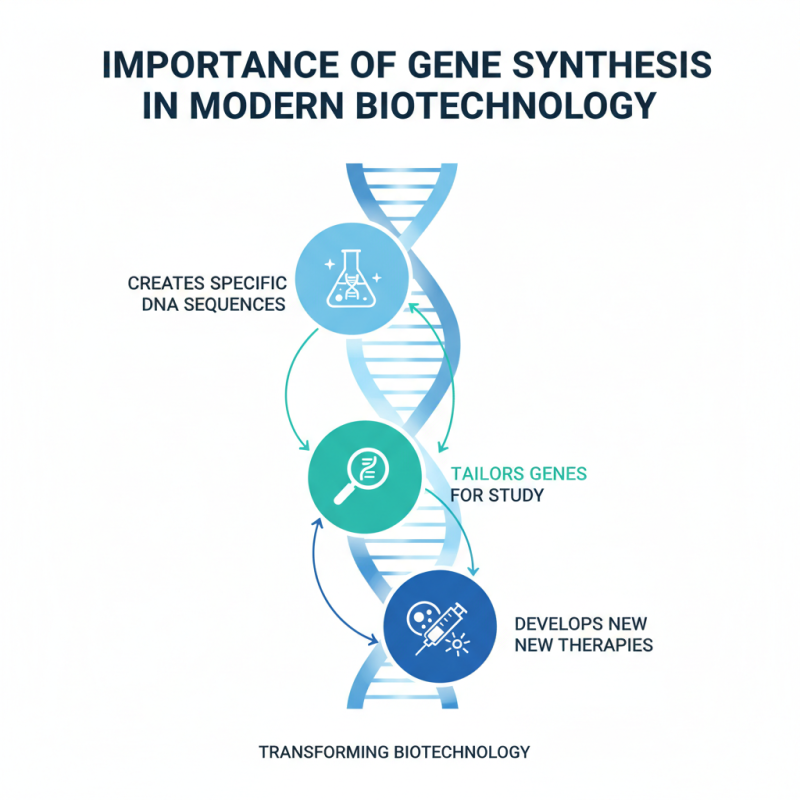
Importance of Gene Synthesis in Modern Biotechnology
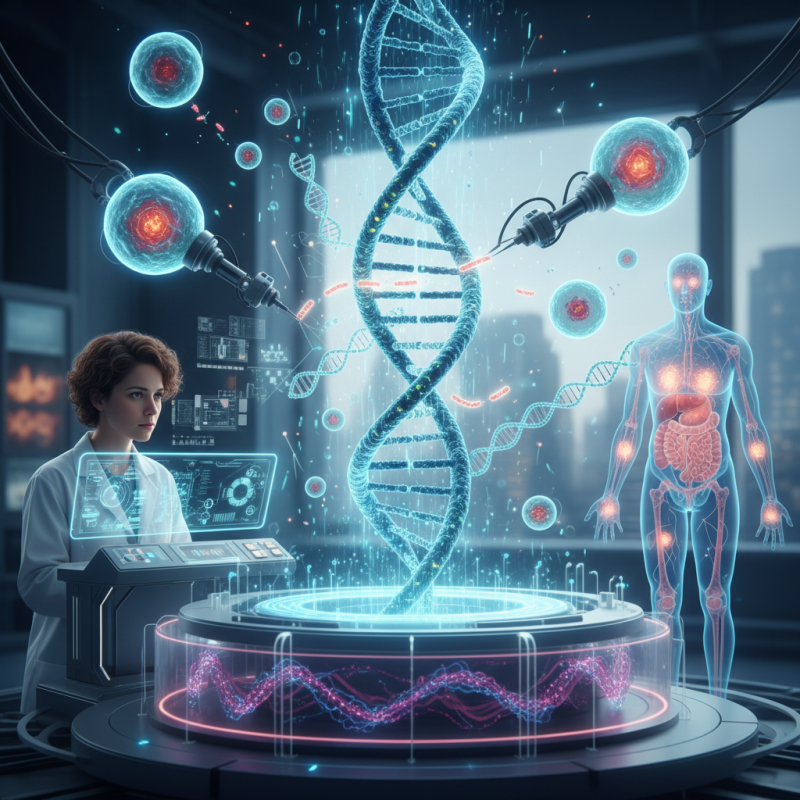
Gene synthesis has transformed modern biotechnology. This technology allows scientists to create specific DNA sequences. These sequences can be tailored to study genes more effectively. They play a pivotal role in developing new therapies.
Importantly, gene synthesis fosters innovation. Researchers can produce proteins that have never existed before. This leads to breakthroughs in medicine, such as personalized treatments. The accuracy of gene synthesis also improves over time. Techniques evolve, making it easier to synthesize complex genes.
Tips: Explore open-source platforms. They often provide valuable resources for beginners. Collaborating with peers in the field is also beneficial. Sharing knowledge can inspire new research directions. Always stay updated with the latest techniques. This keeps your skills relevant and sharp. Each experiment carries lessons, embracing failures can lead to unexpected discoveries.
Applications of Gene Synthesis in Medical Research and Development
Gene synthesis plays a crucial role in advancing medical research and development. By creating specific DNA sequences, scientists can engineer proteins and enzymes for various applications. One significant area is vaccine development. Custom-made genes can produce antigens, leading to more effective vaccines against emerging diseases.
In cancer research, gene synthesis facilitates the creation of targeted therapies. Researchers synthesize genes to understand tumor biology and develop individualized treatments. This can lead to more precise targeting of cancer cells while minimizing damage to healthy tissues. The potential for personalized medicine is enormous.
Tips: When exploring gene synthesis, look for reputable sources. Engaging with scientific literature enhances understanding. Consider the ethical implications of gene manipulation. It's essential to reflect on both the benefits and the risks involved. Responsible use of technology can shape a healthier future.
Role of Gene Synthesis in Genetic Engineering and Therapy
Gene synthesis is transforming genetic engineering and therapy. This technology allows scientists to create custom sequences of DNA. These sequences can drive advancements in research, diagnostics, and treatment. The ability to synthesize genes opens doors for creating targeted therapies for genetic disorders.
In genetic engineering, gene synthesis plays a pivotal role. Researchers can design genes that encode specific proteins. These proteins can address various medical conditions. For instance, engineered proteins can help combat diseases like cancer and genetic disorders. However, the process is not without challenges. Accurate gene synthesis can be complex and costly. Errors in the sequence can lead to unforeseen consequences.
Gene therapy is another area benefiting from this technology. It aims to correct faulty genes that cause diseases. By synthesizing correct gene sequences, scientists can replace or edit defective genes. This approach has shown promise in treating conditions like cystic fibrosis and hemophilia. Yet, ethical considerations remain critical. The long-term effects of such interventions are still under study, prompting reflection among researchers. Balancing innovation with safety is essential for future advancements.
Importance of Gene Synthesis in Biotechnology and Medicine
Technological Advancements Driving Gene Synthesis Innovation
Gene synthesis is rapidly evolving, driven by advancements in technology. High-throughput sequencing has transformed how researchers approach genetic design. In recent years, companies reported an increase of over 30% in the efficiency of gene synthesis processes. This accelerates research and development timelines for new therapies and diagnostics.
Additionally, innovation in CRISPR technology has reshaped gene editing capabilities. The combination of CRISPR and synthesized genes allows for precise modifications at unprecedented speed. Data from industry reports indicates that the global gene synthesis market is expected to reach $6 billion by 2025. This growth reflects increased demand in biotech and pharmaceutical sectors.
Despite these advancements, challenges remain. Ensuring the accuracy and reliability of synthesized sequences is a major concern. Errors in synthesis can lead to incorrect protein expressions or unforeseen effects. Researchers emphasize the importance of continual assessment and quality control measures. These factors must be addressed to harness the full potential of gene synthesis in medical applications.
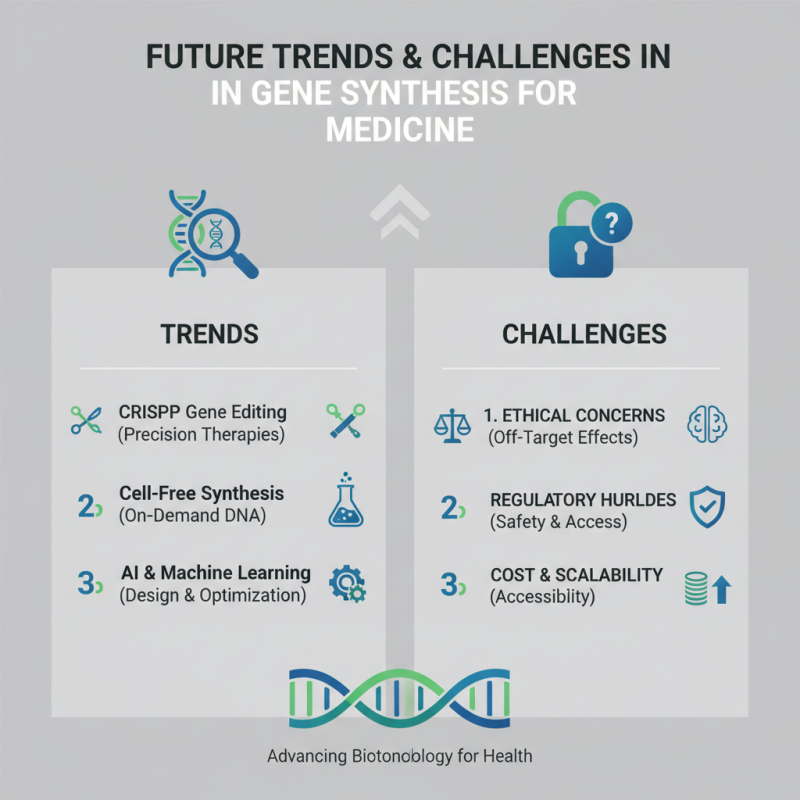
Future Trends and Challenges in Gene Synthesis for Medicine
Gene synthesis plays a crucial role in advancing biotechnology and medicine. As we look toward the future, it's essential to address emerging trends and challenges. One trend is the growing use of CRISPR technology. This technique allows for precise gene editing, making therapies more effective. However, it raises ethical concerns about unintended consequences.
The integration of artificial intelligence in gene synthesis is another exciting development. AI can enhance design processes and predict gene behavior. Yet, the reliance on algorithms may lead to oversights in complex biological interactions. Researchers must be cautious, as reliance on technology can obscure fundamental biological principles.
Tips: Stay informed about the latest research. Engage with credible sources to enhance your understanding of gene synthesis. It's vital to scrutinize emerging technologies critically. Balance innovation with ethical considerations in all aspects of research and application. Such reflection will ensure that advancements remain aligned with societal needs.